
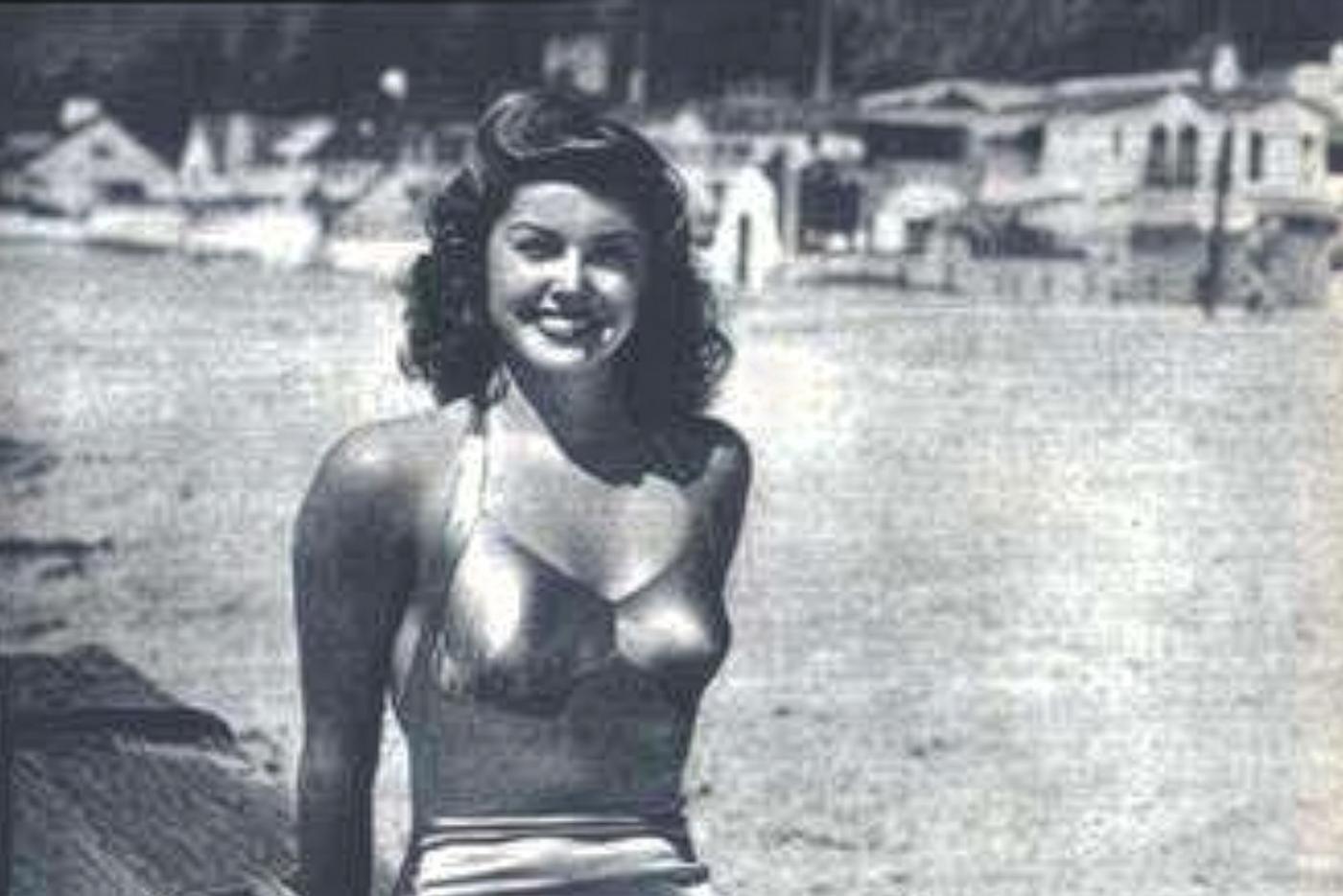
Eighty years ago, on July 5, 1946, French engineer Louis Réard made waves with his modern, and quite scandalous, design of what we know as the bikini.
The history of the bikini can be traced as far back as antiquity, with illustrations of Roman women wearing bikini-like garments during athletic events. Réard would name it the bikini for the above-ground atomic bomb testing in the Bikini Atoll, located in the Marshall Islands in the Pacific Ocean. He chose the name because he hoped that the “raunchy two-piece” would elicit the same shock and horror as that of atomic bomb testing.
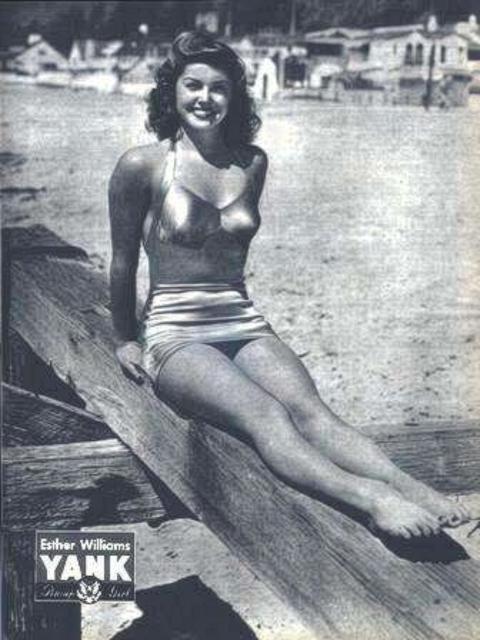
From the moment of its arrival, the revealing cut scandalized most of the French fashion models who were supposed to wear it, until Réard hired an exotic dancer to model his design. Micheline Bernardini became the first woman to wear Réard’s bikini at the age of eighteen during a poolside fashion show in Paris. Knowing it would make headlines, his first design was comprised of a G-string back made of thirty square inches of fabric made of, coincidentally, newspaper print. When the bikini hit shelves, women in the Mediterranean quickly snatched them up; one year later, it was introduced in the United States. While consumers were curious about the outrageously small amount of fabric, initial sales were very slow. Many Americans were shocked by its scantiness, and the bikini would even become outlawed as a form of public attire in many U.S. cities. Not only prohibited in the U.S., but it was also banned in Spain, Portugal, Italy, Belgium, and Australia, and declared sinful by the Vatican. It would take twenty years, with the dawning of sexuality and morality of the late 1960s coming to fruition, before American women embraced the “atomic bomb” shock and horror of the bikini.
Soon enough, the bikini became quite ubiquitous, with women agreeing it was “almost square” to not wear a bikini. Increasing popularity was reinforced by its appearance in movies like How to Stuff a Wild Bikini and One Million Years B.C. Probably the most memorable on-screen appearances of the bikini were in the 1962 James Bond film, Dr. No, and in the 1983 Star Wars film, Return of the Jedi. With this media emergence on the rise and increasing in popularity, the sex appeal of the bikini prompted more of a presence in film and television productions. Another important thing to remember is several swimwear designers encouraged women of all ages and body types to take up the bikini style.
If Réard intended to have his invention create a shock value, then no woman should be afraid to embrace wearing it. The bikini has become the most popular beachwear around the globe, and that’s in large part due to the power of women, not the power of fashion. It represents body positivity, body consciousness, and sexual attitude, and in that regard, Louis Réard unequivocally succeeded.
Rebecca Stiles is the senior administrative officer for the Museum of the Albemarle.