
The Museum of the Albemarle will close its woodworking exhibit, Crafted from Wood, on December 31, 2026, which explores the gift of crafting treasures from wood while highlighting the training and abilities of the crafter.
For centuries, those crafters included enslaved laborers who worked in regional shops as carpenters, cabinetmakers, bricklayers, sawyers, plasterers, and joiners. Despite often not receiving credit for their work, their integral role in wood-crafting trades can be seen in surviving works and structures. Enslaved laborers rarely had a choice in what projects were undertaken. The enslavers often received the wages and reaped the accolades.
Enslaved craftsmen were vital to the development of Somerset Place, a sprawling plantation in Washington County. Some of the earliest plantation buildings were constructed by enslaved carpenters Joe Bartlett, Andrew, and Ben Sawyer, who labored over the course of 47 days in 1787. The lumber they used came from off the land, which was originally a densely forested swamp. Over the next 80 years, enslaved laborers were forced to clear more than 6,000 acres for growing crops. They transported logs from the fields to water-powered sawmills on specialized wagons known as carry-logs. At the sawmills, enslaved and free millwrights turned the timber into boards, planks, and framing for building construction. In 1837, the mills could saw about 6,000 feet of plank board in 24 hours. Consequently, lumber was a major cash crop at Somerset Place.
Even after enslaved field workers like Ellie and Annie cleared timberland on the plantation, they still had to remove “ground logs” for years afterward. These cypress logs were remnants of dead trees that had sunk into the swampy soil. As enslaved persons cultivated the land, the soil level gradually dropped, and the wood was exposed. Upon removing the ground logs, enslaved workers split and carried them to use as firewood on the plantation, which was essential for cooking and cleaning. There was even a dedicated woodhouse that stored firewood for use in the owner’s compound.
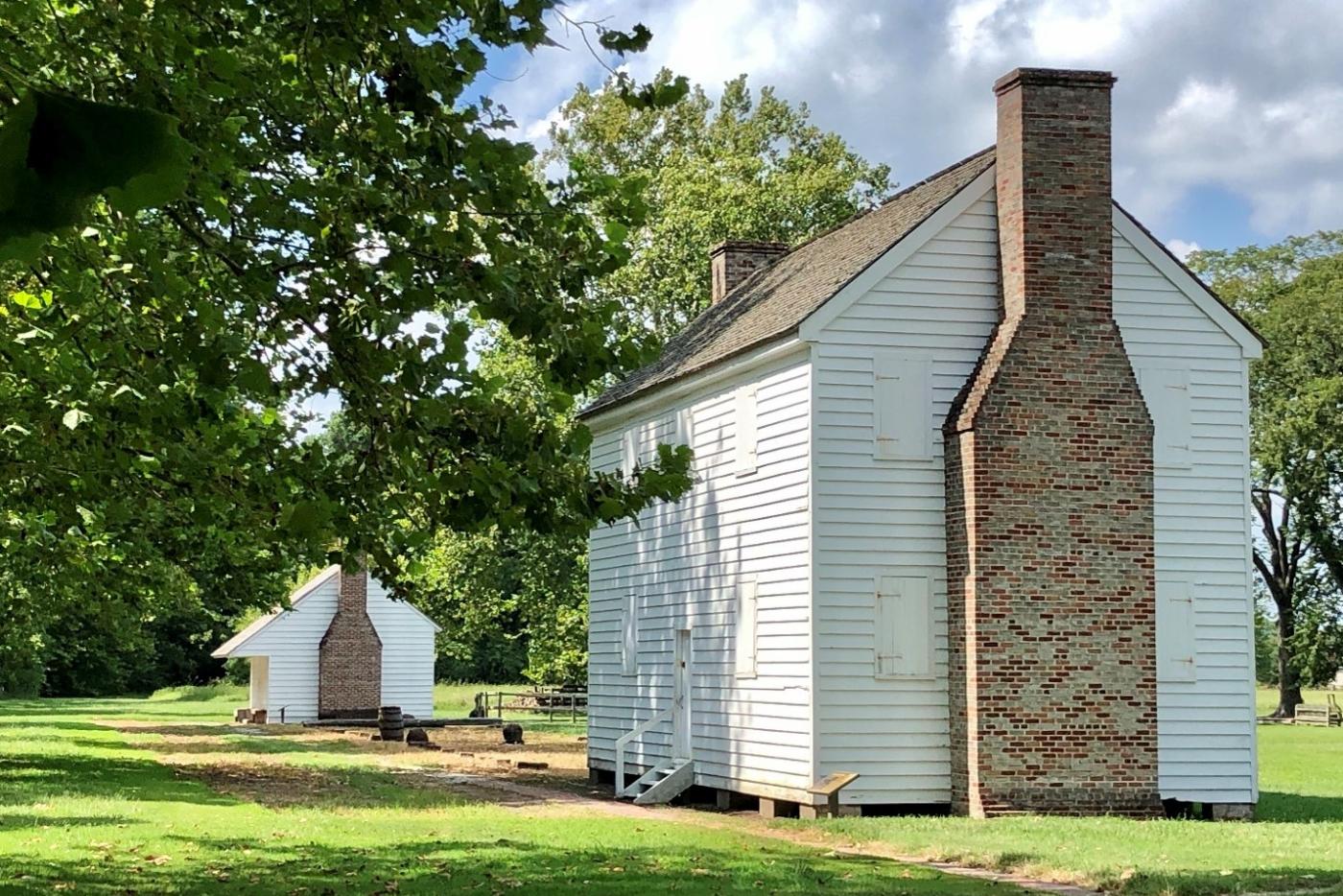
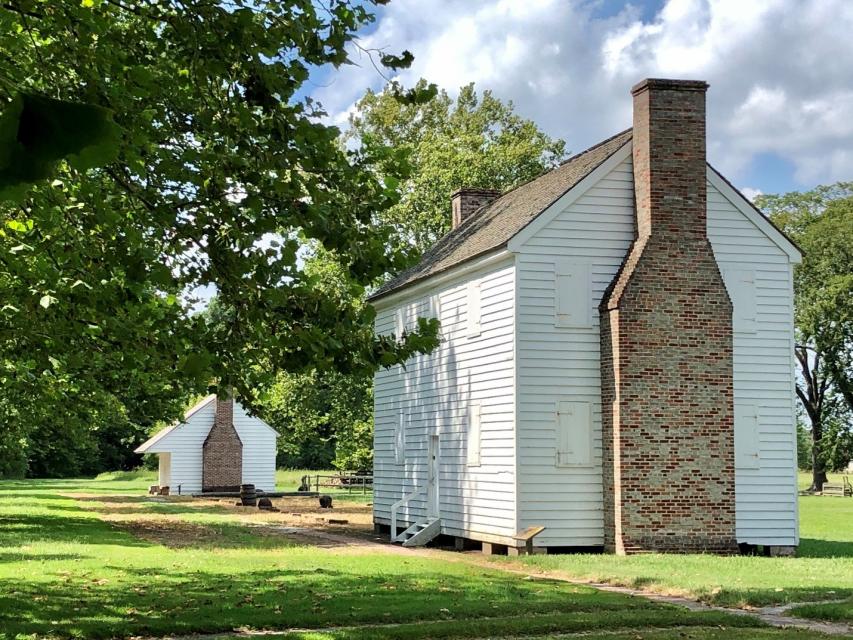
As the plantation developed, enslaved carpenters like James Cabarrus Sr., Medicus Reeves, Melvin, Will, and Lewis helped build over 50 houses, barns, shops, and industrial buildings – a few of which still stand today. They likely worked alongside hired white carpenters such as Jesse Sawyer. Carpenters at Somerset Place also crafted and repaired innumerable wooden objects for everyday use on the plantation inside a specialized Carpenter’s Shop. Among the tools they used in the shop that were listed in an 1839 inventory include planes, chisels, calipers, saws, a rounding knife, squares, a glue kettle with brush, axes, plumb levels, turning gouges, hammers, and wooden patterns. You can see period tools like these when you visit Crafted from Wood.
Somerset Place has been preserved as a state historic site, where you can see the handiwork of enslaved craftsmen. Guided tours of the historic buildings, reconstructed slave dwellings and plantation hospital, and archaeological remains offer visitors a comprehensive social history of all former plantation residents: the enslaved community, plantation owners, and hired white and Black employees.